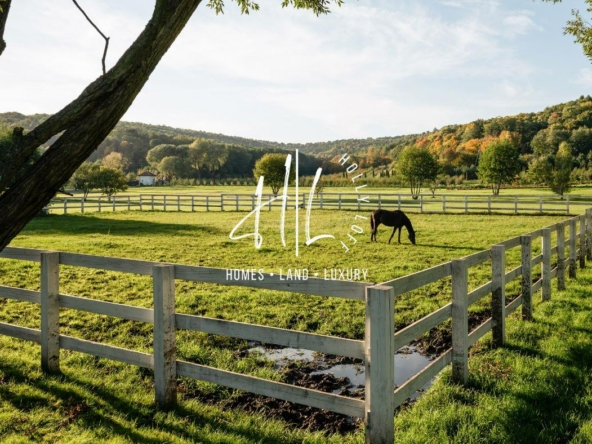

Dreaming of a few acres, a beautiful barn, and enough room for your horses to stretch their legs? Before you start naming the horses, there’s one less-glamorous (but very important) part of owning rural property in Texas to understand: property taxes.
The good news? Depending on how you use your land, an agricultural or wildlife valuation could potentially make a significant difference in your annual tax bill. But these exemptions aren’t simply a matter of buying acreage and putting a “Welcome to the Ranch” sign at the gate. There are rules, requirements, and plenty of fine print to understand.
So, let’s saddle up and break it down.
First Things First: What Is An Ag Exemption?
You’ll often hear Texans talk about an “ag exemption,” but technically, Texas doesn’t offer a traditional exemption that simply removes property taxes from qualifying land. Instead, eligible land can receive a special valuation based on its productivity value rather than its full market value.
That distinction can be a big deal. Instead of taxing your acreage based on what someone might pay for it as a residential or recreational property, the appraisal can be based on the land’s capacity to produce agricultural products. Because that productivity value can be substantially lower than the property’s market value, the resulting property tax bill may be significantly lower, too.
And on a large piece of horse property, those savings can really add up.
What Actually Qualifies as Agricultural Use?
Here’s where things get a little more “Texas tax code” and a little less “just let the horses roam.”
Generally, land must be used to the degree of intensity generally accepted in the area for qualifying agricultural purposes. And here’s an important nuance: each county sets its own minimum intensity standards, especially for horse operations. What qualifies in one county may not qualify in another, which is why local guidance matters.
Texas also requires that land has been used for agriculture for five of the past seven years to qualify for 1‑d‑1 open‑space valuation. This historical‑use requirement often surprises buyers, but it’s a critical part of determining eligibility.
Agricultural activities may include things such as:
- Raising livestock or other animals for agricultural production
- Producing hay or other crops
- Grazing livestock
- Beekeeping
- Certain types of orchard or nursery production
- Other qualifying agricultural activities recognized by the appraisal district
For horse properties, the important question is often whether the horses and the land are being used in a way that meets the county’s requirements for agricultural valuation. Simply owning horses for personal enjoyment generally isn’t enough by itself.
In other words, a pasture full of horses doesn’t automatically equal an ag valuation.
What About Horses?
This is one of the biggest questions buyers have when shopping for equestrian property. If you’re purchasing acreage with the dream of keeping a few personal horses, don’t assume the property’s existing agricultural valuation will automatically continue once you take ownership. The property’s eligibility, and your intended use, matter.
And if the property is currently receiving an agricultural valuation, buyers should do their homework before closing. A change in ownership or use can affect eligibility, and you’ll want to understand exactly what requirements you’ll need to meet going forward. That’s where having the right professionals in your corner can make the process much less confusing.
The 5-Year Rule: Why Buyers Need to Pay Attention
Here’s another important piece of the puzzle: rollback taxes. If land that has been receiving a qualifying agricultural or wildlife valuation changes to a non-qualifying use, the owner may face additional taxes for previous years, plus interest.
That means buying land with an existing agricultural valuation requires more than simply celebrating the lower tax bill.
You’ll want to ask questions such as:
- What valuation does the property currently have?
- How long has it had that valuation?
- What activities are currently being performed?
- What will I need to do to maintain eligibility?
- Could my planned use trigger rollback taxes?
These are questions worth answering before you fall head over heels for the barn, the arena, and that gorgeous oak-lined driveway.
So, How Much Could You Save?
This is where things get particularly interesting for acreage buyers. The difference between a property’s market value and its qualifying productivity value can be substantial, meaning the tax savings may also be substantial. But there isn’t a one-size-fits-all number.
Your potential savings depend on factors including:
- Location
- Acreage
- Use
- Valuation type
- Local tax rates
- County‑specific intensity standards
That’s why it’s important to look at the actual numbers for the property you’re considering, rather than relying on a generic “ag exemption saves you thousands” claim.
A good real estate professional can help you identify questions to ask and connect you with the appropriate appraisal district or tax professionals for the official answers.
Before You Buy That Horse Property…
If a Central Texas horse property is on your wish list, make the tax situation part of your due diligence, not an afterthought. Before closing, take a close look at the property’s current appraisal status, understand how the land is being used, confirm what qualifications apply, and determine whether your plans will allow you to maintain the property’s special valuation.
Because the dream isn’t just owning more land. It’s owning the right land for your lifestyle and understanding the financial picture that comes with it. And when you’re talking about acreage, barns, arenas, pastures, and four-legged family members, there are plenty of numbers worth crunching before you say, “Whoa, this is the one!”
Ready To Find Your Slice of Texas?
Don’t let property taxes rein in your dreams! If you’re curious about how Ag Exemptions can work for your future horse haven, give Holly Loff a call! Let’s crunch the numbers and find your perfect slice of Texas!